
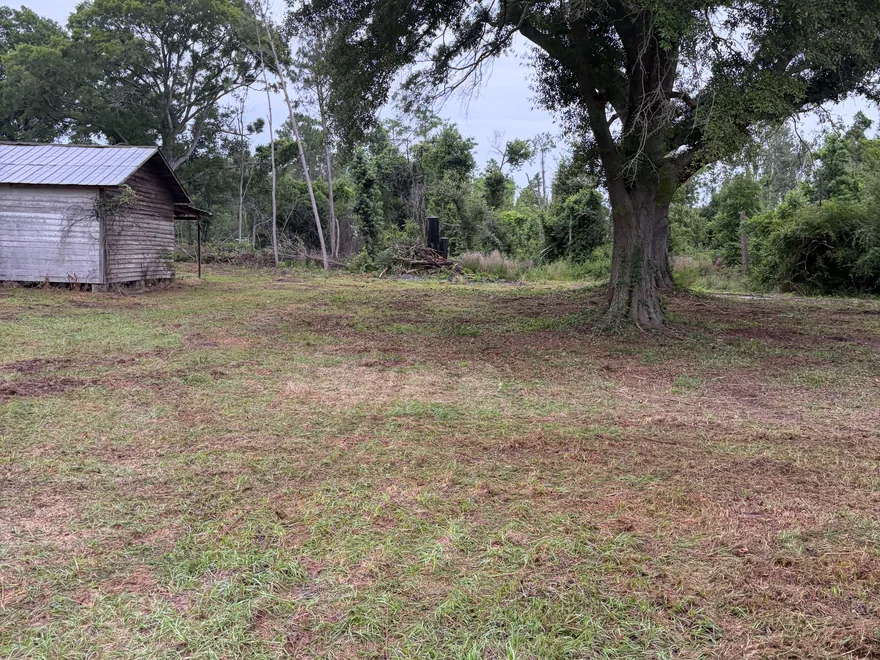
Land Clearing
We clear overgrown lots and acreage around Broxton and the surrounding counties. Brush and small trees come down, and the land opens up for a new home or a farm.
Learn More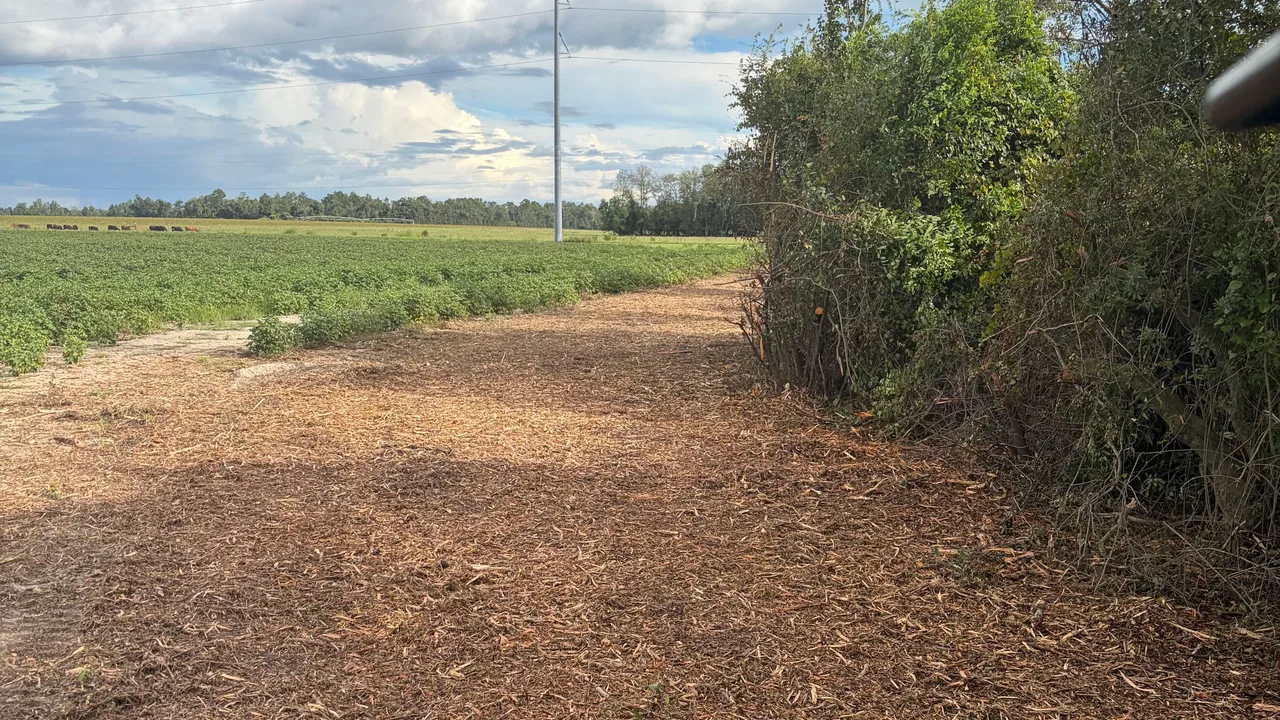
Septic tank installation in Douglas starts with the ground under the lot. Much of the city sits on low, sandy flats where the soil stays wet through the winter. A lot beyond the reach of city sewer needs its own septic system. The soil and the water under it decide what that system looks like.
Southern Grind Solutions handles septic tank installation across Coffee County, and Douglas is part of our service area. We put in new tanks and drain fields for houses and mobile homes in and around town. We also clear grown-up lots and build pads, so the site is ready before the dig. Call or text (912) 381-6261, and we look at the job and put the quote in writing.
Tell us about the new septic system, the land to clear or the dirt work and where it is. We look at the job and put the quote in writing.
The county environmental health office at the Coffee County Health Department in Douglas issues septic permits. Coffee County belongs to the Southeast Health District of the Georgia Department of Public Health. The district uses one standard application for all its counties. The work follows the state's on-site sewage rules, Chapter 511-3-1.
The application asks how many bedrooms the house has and whether it is stick-built or a mobile home. It asks whether the site is cleared and the house site staked. A site sketch shows the house and the well, with the proposed tank and drain field marked.
On the job, we dig and set the tank, then run the drain field lines to the permitted layout. The health department inspects the system before the final cover goes on. After that, we backfill and rough grade the site.
Federal soil maps put Pelham loamy sand under nearly a quarter of the city. It is poorly drained, and it can stay wet 6 inches down from January into April. Leefield loamy sand covers much of the other low ground, with a wet layer about 2 feet down in winter.
On the gentle slopes, Fuquay loamy sand is the most common soil. It is well drained, but water moves slowly through the deeper subsoil. The same maps rate most soils around Douglas as limited for drain fields. The county environmental health office evaluates each site before it issues a permit.
Two named streams run inside the city limits, the Seventeen Mile River and Twenty Mile Creek. About five miles east of town, the river winds through cypress swamp at General Coffee State Park. The city takes part in the National Flood Insurance Program and posts a flood zone map online. On a low lot, a mobile home pad raises the home site so water drains away from under the home.
Douglas, the Coffee County seat, had about 11,700 people at the 2020 Census. It has a long railroad history, and its 1905 depot now holds the Heritage Station Museum. About half the homes in the city were built before 1980, by Census survey figures. Fewer than 1 in 20 went up in 2010 or later.
Inside the city limits, the City of Douglas Building Inspections and Permits Division issues demolition permits. Every structure needs its own permit, so two buildings on one lot take two permits. In the Downtown and Gaskin Avenue historic districts, demolition also needs a certificate of appropriateness first.
The city's form makes the owner responsible for calling 811 and having the utilities cut off at the street. It also asks that the lot be cleared, slabs included, and finished with clean fill dirt. Our demolition work covers old houses, mobile homes, barns and sheds, and we clean up the debris from the site.
Past the city limits, Coffee County opens into farmland and woods. The USDA's 2022 farm census counted 541 farms in the county on about 161,600 acres. Woodland made up about 42,400 of those acres.
Across Coffee County, about 3 in 10 homes are mobile homes, by Census survey figures. Inside Douglas, the share is closer to 6 percent. Coffee County's long-range plan notes that many subdivisions outside town still have vacant lots.
The septic application asks whether the site is cleared, so a grown-up lot often needs land clearing first. Forestry mulching grinds brush and small trees where they stand and leaves the mulch on the ground. Georgia law requires a Georgia 811 locate request before mechanized digging.
Communities and areas we serve around Douglas: Downtown Douglas, Gaskin Avenue, Chester Avenue, Touchton Woods, Golf Club Road, South Douglas, Oak Park, Bay Meadows, Bowens Mill Road, Heritage Station Museum, General Coffee State Park, Seventeen Mile River.
Douglas ZIP codes served: 31533, 31535.
Douglas is part of our service area. We look at the job and put the quote in writing.
(912) 381-6261 We clear overgrown lots and acreage around Broxton and the surrounding counties. Brush and small trees come down, and the land opens up for a new home or a farm.
Learn More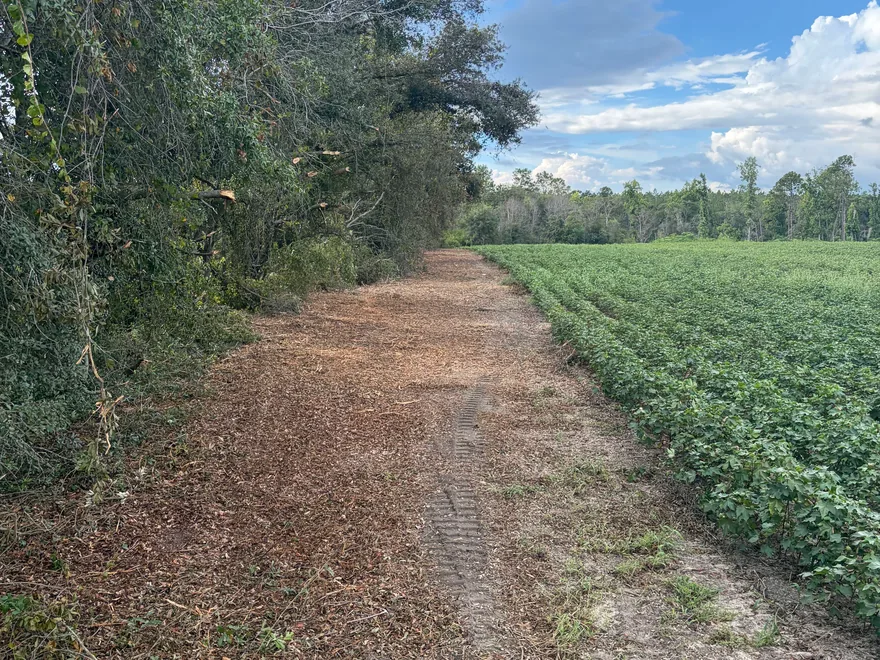
We grind underbrush and small trees in place with a forestry mulcher. The mulch stays on the ground and covers the soil.
Learn More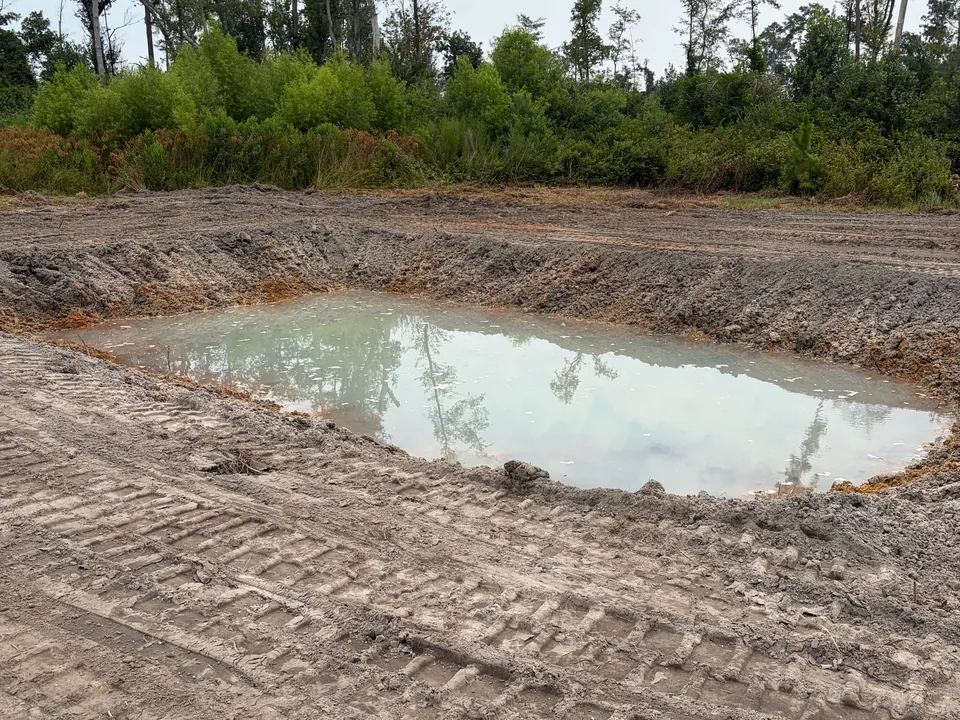
We dig trenches, drainage ditches, culvert crossings and footings with an excavator. We also do the dirt work for new septic systems and mobile home pads.
Learn More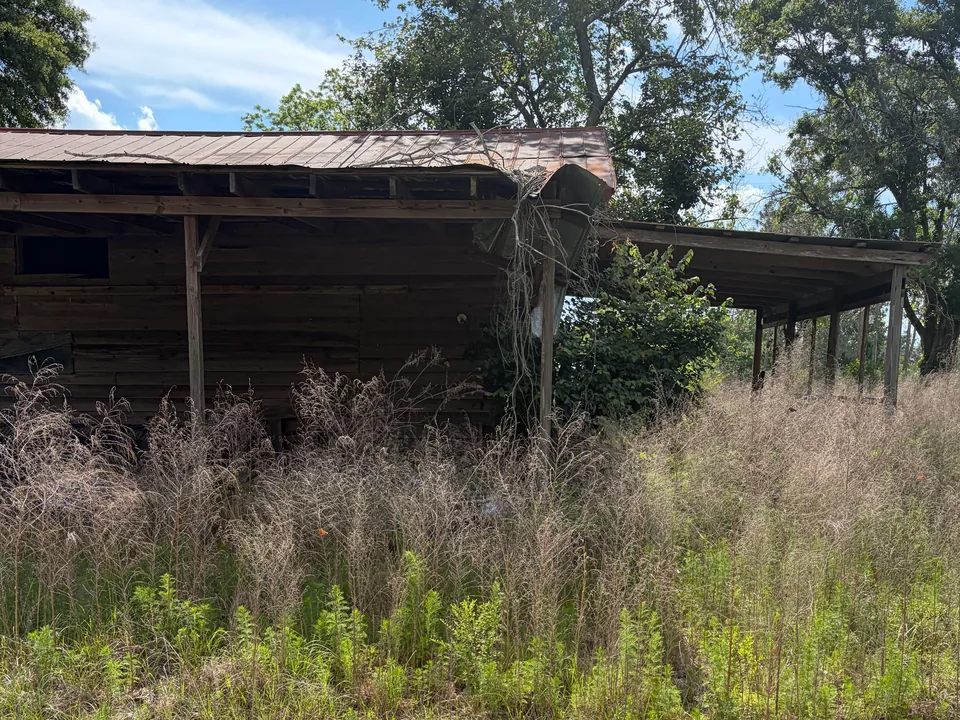
We tear down old houses, mobile homes, barns and sheds on rural lots and in town. Then we clean up the debris from the site.
Learn More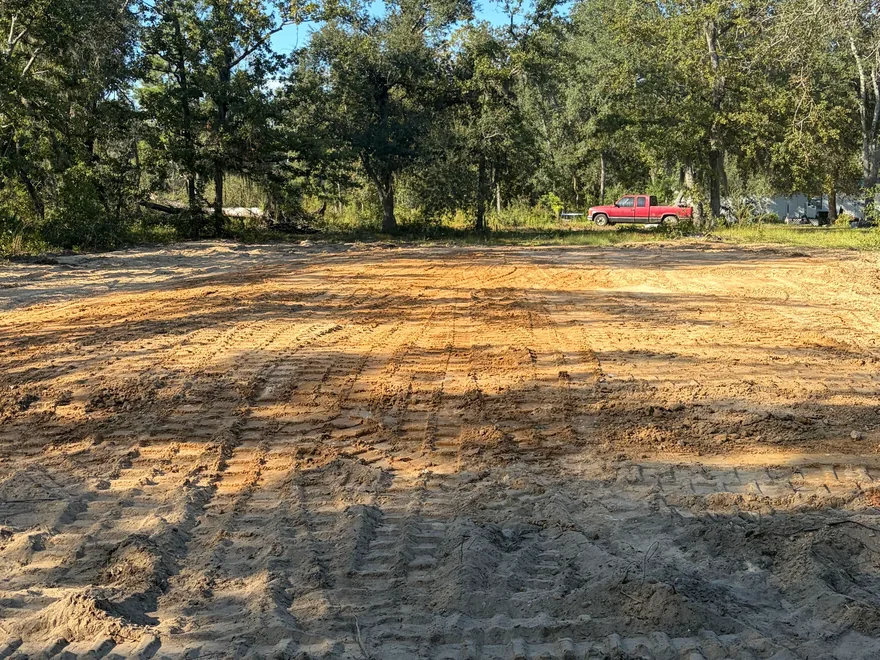
Built-up, graded pads of fill dirt so rain drains away from under your mobile home. We clear the home site first, then pack and grade the fill.
Learn More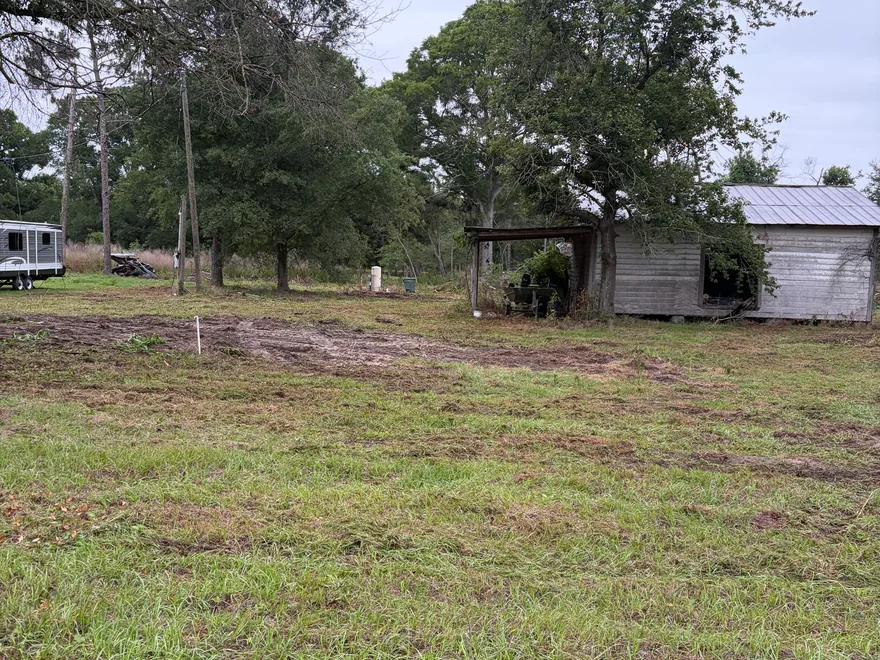
We get a raw lot ready for a new house or a mobile home. The clearing, the rough grading, the pad and the septic system come as one job.
Learn More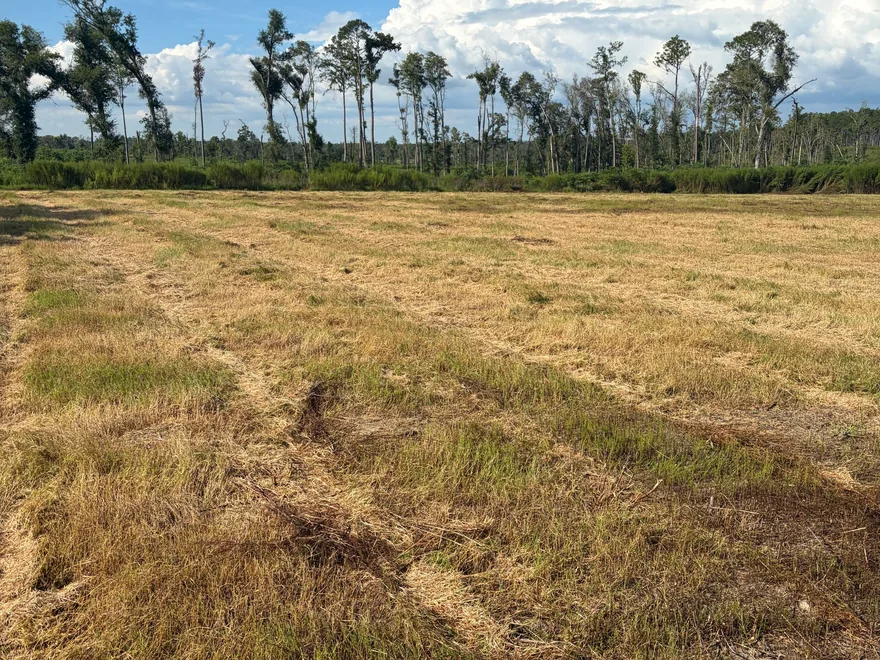
We cut grown-up pastures and lots back down with a brush cutter. Overgrown fence lines get cut back too, and the cut grass stays where it falls.
Learn More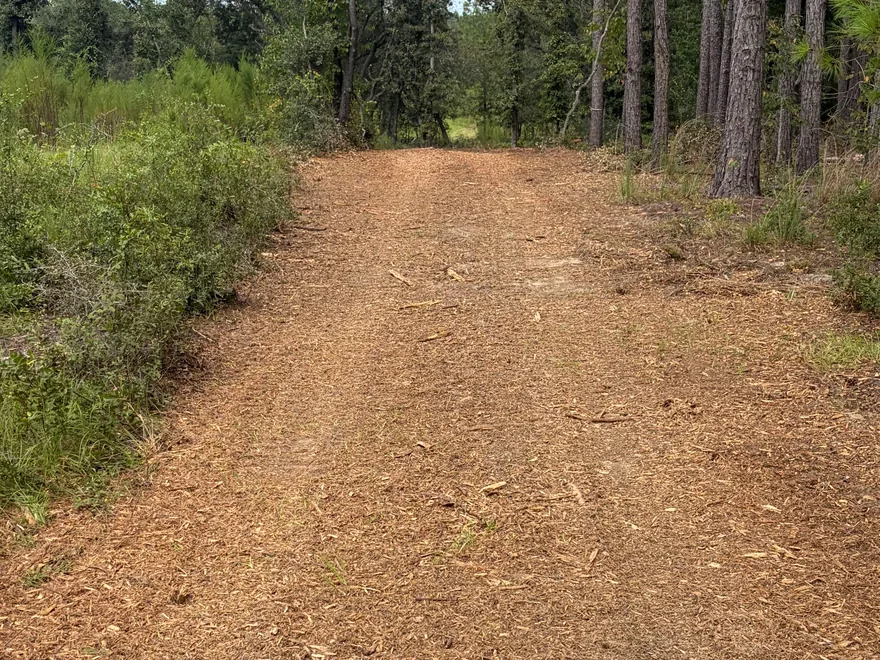
We cut shooting lanes and access trails through brush and pines on hunting land. We also clear the ground for food plots, and the planting stays yours.
Learn MoreA few of the questions we hear most around Douglas. If yours is not here, call or text and ask.
Building a house or moving into a mobile home? Call or text (912) 381-6261 or use the form, and tell us which county the job is in.
Tell us about the new septic system, the land to clear or the dirt work and where it is. We look at the job and put the quote in writing.